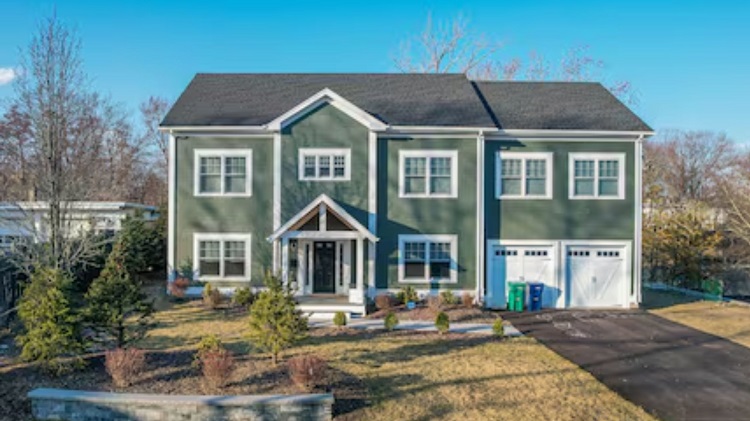
A home's exterior does more than protect the structure from rain, wind, and changing temperatures. It also shapes a buyer's first impression, influences curb appeal, and can affect how attractive a property appears in a competitive real estate market.
For homeowners considering a renovation, exterior improvements can offer two potential benefits: making the property more enjoyable to live in and improving its appeal to future buyers. Projects such as replacing siding, upgrading an entry door, installing a new garage door, improving landscaping, or replacing an aging roof may help a home stand out.
But can a single exterior upgrade really add $25,000 to a home's value?
The answer depends on the property, local market conditions, the quality of the work, and how buyers perceive the improvement. A $25,000 increase should not be treated as a guaranteed result. In some cases, an exterior renovation may contribute to a higher selling price, while in others, the main benefit may be improved marketability, reduced maintenance concerns, or a faster sale.
This guide explores which exterior upgrades may deliver meaningful value, how renovation costs compare with potential resale benefits, and what homeowners should consider before investing in a project.
Can an Exterior Upgrade Add $25,000 to a Home's Value?
Yes, an exterior improvement can contribute to a $25,000 increase in a home's market value under certain circumstances. However, the amount is not universal, and it is important to distinguish between an increase in market value and the return on the renovation investment.
For example, replacing deteriorated siding with a modern, attractive exterior may improve the appearance of a home that previously looked neglected. If buyers perceive the property as better maintained and more desirable than comparable homes, the improvement may support a stronger selling price.
The same principle applies to certain roofing projects, garage door replacements, window upgrades, and carefully planned landscaping.
Several factors influence the outcome:
- The home's value before the renovation.
- The condition of the existing exterior.
- The quality and design of the improvement.
- Buyer preferences in the local market.
- The prices of comparable properties.
- The cost of materials and labor.
- Whether the upgrade addresses a visible problem or simply adds a cosmetic feature.
A high-end exterior renovation may be worthwhile for one property but difficult to recover financially on another. Homeowners should evaluate the improvement in the context of their neighborhood rather than assuming that spending more will automatically produce a higher resale price.
Why Exterior Improvements Matter to Homebuyers
Buyers often form an initial opinion of a property before entering the front door. An attractive exterior can make a home appear well maintained and encourage prospective buyers to explore the interior.
First Impressions Influence Buyer Interest
Curb appeal refers to the visual attractiveness of a property when viewed from the street. It includes the siding, roof, front entrance, driveway, landscaping, windows, exterior lighting, and overall condition of the building.
A clean, coordinated exterior may help buyers feel more confident about the property. By contrast, peeling paint, damaged siding, deteriorating trim, or a visibly aging roof can raise questions about maintenance and future expenses.
Exterior Condition Can Affect Perceived Maintenance Costs
Buyers often consider the repairs they might need to complete after purchasing a home.
If an exterior appears neglected, they may worry about hidden moisture damage, roof leaks, deteriorated materials, or expensive future renovations. Addressing visible problems before listing the property can reduce these concerns, although it does not eliminate the need for inspections.
A Coordinated Design Can Improve Market Appeal
Exterior upgrades work best when they complement the home's architectural style.
For example, modern siding colors, updated lighting, a well-designed entryway, and appropriate landscaping can create a more cohesive appearance. Improvements that look out of place with the rest of the property may deliver less value than expected.
Which Exterior Upgrades Can Add the Most Value?
Not all exterior projects have the same costs or resale potential. Some focus on appearance, while others improve protection, energy performance, or the property's overall condition.
The following upgrades are worth considering when planning a renovation.
1. Replacing an Old Garage Door
A garage door can occupy a substantial portion of a home's front exterior. An outdated, dented, or deteriorating door may negatively affect the property's appearance.
Replacing it with a modern design that matches the home's architecture can create a noticeable visual improvement.
Potential benefits include:
- Better curb appeal.
- Improved everyday operation.
- Replacement of damaged or worn components.
- Access to modern insulation options, depending on the product.
- A more consistent exterior design.
Before purchasing a new garage door, compare material options, insulation requirements, maintenance needs, and compatibility with the existing opening.
A garage door replacement may be particularly attractive when the existing door is visibly damaged or no longer operates reliably.
2. Upgrading Exterior Siding
Siding protects a home's exterior walls while contributing to its appearance. Damaged, faded, or outdated siding can make an otherwise attractive property look older.
Replacing it may improve the home's appearance and address problems associated with deteriorated exterior materials.
Common siding options include:
| Siding Material |
Potential Advantages |
Considerations |
| Vinyl siding |
Relatively low maintenance and widely available |
Can crack or become damaged under certain conditions |
| Fiber cement siding |
Durable material with a range of finishes |
Heavier and generally requires specialized installation |
| Wood siding |
Natural appearance and design flexibility |
Requires appropriate maintenance and moisture protection |
| Engineered wood siding |
Wood-like appearance with manufactured construction |
Product-specific installation and moisture requirements apply |
| Metal siding |
Modern appearance and resistance to certain forms of deterioration |
Performance depends on the metal, coating, and installation |
The best option depends on the local climate, architectural style, budget, and maintenance preferences.
Before replacing siding, inspect the underlying wall for water damage and confirm that the installation will include appropriate moisture management and flashing.
3. Replacing an Aging Roof
A roof replacement can improve both the appearance and condition of a home. Buyers may be more comfortable purchasing a property when the roof is in good condition and its installation history is documented.
Potential benefits include:
- Reduced concern about existing roof deterioration.
- Improved exterior appearance.
- Replacement of damaged roofing components.
- Opportunity to address flashing and ventilation problems.
- Documentation that may support buyer confidence.
However, a new roof does not automatically add an amount equal to its installation cost to the home's resale value.
The financial outcome depends on the previous roof's condition, the replacement material, local buyer expectations, and the property's overall market value.
Homeowners should prioritize a roofing system appropriate for the building and local weather conditions rather than choosing expensive materials solely to increase resale value.
4. Installing a New Front Door
The front entrance is one of the most visible parts of a home's exterior. A worn or outdated entry door can affect the property's overall appearance.
Replacing it with a suitable modern design may improve curb appeal, security features, and everyday usability.
Homeowners can consider:
- Fiberglass entry doors.
- Steel entry doors.
- Solid wood doors.
- Decorative glass inserts where appropriate.
- Updated hardware and weatherstripping.
The choice should reflect the home's architecture, local climate, maintenance requirements, and budget.
Proper installation is important because gaps around the door can contribute to air leakage and moisture problems.
5. Replacing Old Windows
Old or deteriorated windows may affect comfort, energy use, appearance, and maintenance requirements.
New windows can improve the property's exterior appearance and may reduce unwanted air leakage when properly selected and installed.
Before replacing every window, determine whether the existing units actually need replacement. Some problems can be addressed through repairs, weatherstripping, hardware adjustments, or improved sealing.
When comparing products, consider:
- Frame material.
- Glass type and insulation properties.
- Air leakage ratings.
- Solar heat gain characteristics.
- Local climate.
- Installation quality.
- Warranty coverage.
Window replacement can be expensive, so homeowners should compare the full project cost with realistic energy savings and potential resale benefits.
6. Improving Landscaping and the Front Entrance
Landscaping can help create a welcoming exterior without requiring a complete renovation.
Projects may include trimming overgrown plants, adding suitable shrubs, improving walkways, repairing lawn areas, installing outdoor lighting, or refreshing garden beds.
These improvements may be particularly useful when a home looks neglected despite being structurally sound.
A practical landscaping plan should account for local weather, water availability, drainage, plant maintenance, and the home's architectural style.
Avoid planting trees or large shrubs too close to the foundation, siding, or roof. Poor placement can create maintenance problems and contribute to moisture or structural concerns.
How Much Do Exterior Upgrades Cost?
Exterior renovation costs vary by property size, material quality, labor rates, project complexity, and location.
The following table provides illustrative U.S. planning ranges. These are broad budgeting estimates, not verified quotes for every market or guaranteed 2026 prices.
| Exterior Upgrade |
Illustrative Project Cost |
| Basic landscaping improvements |
$500–$5,000 |
| Front door replacement |
$500–$3,000 |
| Garage door replacement |
$1,000–$5,000 |
| Window replacement project |
$3,000–$15,000 |
| Exterior siding replacement |
$8,000–$25,000 |
| Roof replacement |
$6,000–$20,000 or more |
Actual costs may fall outside these ranges, particularly for large homes, premium products, complex roof designs, structural repairs, or properties in high-cost areas.
When requesting estimates, ask contractors to separate materials, labor, demolition, disposal, permits, and additional repairs.
Does Spending $25,000 Mean Your Home Value Will Increase by $25,000?
No. The amount spent on a renovation and the amount added to a home's resale value are two different figures.
A homeowner who spends $25,000 on exterior improvements may recover less than the full amount when selling. In another situation, an improvement may contribute to a value increase that exceeds its cost, although this should never be assumed in advance
.
Understanding Return on Investment
Return on investment, or ROI, measures the financial gain or loss relative to the money invested.
For home improvement projects, a simplified calculation is:
Renovation ROI = (Increase in property value − Renovation cost) ÷ Renovation cost × 100%
For example, suppose a homeowner spends $15,000 on an exterior renovation and the improvement contributes an estimated $12,000 to the home's resale value.
The calculation would be:
- Renovation cost: $15,000.
- Estimated increase in value: $12,000.
- Difference: −$3,000.
- Simplified ROI: −20%.
This does not necessarily mean the renovation was a poor decision. The homeowner may also benefit from better functionality, reduced maintenance, improved comfort, or a more attractive home during the years before selling.
However, the calculation illustrates why a renovation's full cost should not be confused with its potential increase in resale value.
A more comprehensive financial assessment would also account for financing costs, maintenance savings, selling expenses, and the uncertainty of property valuation.
Why Some Exterior Upgrades Deliver Better Returns Than Others
The financial results of exterior improvements depend on more than their appearance.
The Existing Condition Matters
Replacing badly damaged siding may provide a more meaningful benefit than replacing relatively new siding that is still in good condition.
Addressing deterioration can improve buyer confidence and reduce concerns about future repairs.
Neighborhood Expectations Matter
An upgrade should make sense for the property's location and price range.
For example, installing premium exterior materials in a neighborhood where buyers prioritize affordability may not produce enough additional resale value to justify the expense.
Conversely, a property in a higher-priced market may benefit from materials and finishes consistent with local buyer expectations.
Quality of Workmanship Matters
Poor installation can undermine even the most expensive materials.
Improper flashing, inadequate moisture protection, unsuitable fasteners, and poor detailing can lead to costly problems. Select contractors based on relevant experience, written specifications, references, and warranty terms.
Buyers Value Practical Benefits
Some exterior improvements offer benefits beyond appearance, including improved weather protection, reduced maintenance, better functionality, or lower energy consumption.
These advantages can make a project more attractive, but the financial value depends on whether prospective buyers recognize and are willing to pay for them.
How to Choose the Best Exterior Upgrade for Your Home
The most appropriate project depends on your property's current condition, budget, and plans for the future.
If You Plan to Sell Soon
Focus on visible problems and improvements that make the property appear well maintained.
Potential priorities include:
- Repairing damaged siding.
- Replacing a visibly deteriorated front door.
- Cleaning gutters and exterior surfaces.
- Improving landscaping.
- Addressing roof damage.
- Repairing damaged exterior trim.
Avoid major cosmetic renovations without first evaluating local buyer preferences and the likely resale benefit.
If You Plan to Stay for Many Years
Long-term homeowners may benefit from improvements that address durability, energy performance, comfort, and maintenance.
Depending on the property, these could include:
- Replacing failing siding.
- Installing a suitable long-lasting roofing system.
- Improving exterior moisture management.
- Upgrading poorly performing windows.
- Improving drainage around the foundation.
- Selecting low-maintenance landscaping.
In this situation, everyday benefits may justify an improvement even if the full cost is not recovered at resale.
If Your Budget Is Limited
Start with essential repairs and relatively inexpensive improvements.
Address active leaks, damaged flashing, deteriorating siding, and drainage problems before spending heavily on decorative features.
A staged renovation can help spread costs over time while ensuring the home's most important exterior components remain in good condition.
How to Estimate the Potential Value of an Exterior Renovation
Before investing in a major project, homeowners should research the local real estate market.
Step 1: Determine the Home's Current Market Value
Review recent sales of comparable properties in the same area. Consider differences in size, condition, layout, age, and features.
Online estimates can provide a preliminary reference, but they may not fully reflect a property's condition or the quality of a planned renovation.
Step 2: Obtain Detailed Contractor Quotes
Request written estimates from qualified contractors. Compare the full scope of work rather than looking only at the total price.
Include potential expenses such as permits, demolition, repairs, disposal, and finishing work.
Step 3: Research Comparable Renovated Homes
Look for recently sold properties with similar exterior materials and overall condition.
This can help establish whether the proposed upgrade aligns with buyer expectations in the area.
Step 4: Consider the Expected Ownership Period
A homeowner selling within a year may evaluate an upgrade differently from someone planning to stay for 15 years.
Long-term ownership gives more time to benefit from durability, comfort, and potential maintenance savings.
Step 5: Avoid Assuming a Guaranteed Return
Property values are influenced by mortgage rates, supply and demand, neighborhood conditions, economic changes, and the overall housing market.
Even a well-executed renovation cannot guarantee a specific resale price.
For a major investment, consider consulting a qualified real estate appraiser or an experienced local real estate professional.
Common Mistakes Homeowners Should Avoid
Choosing an Upgrade Based Only on Online Headlines
A claim that an exterior upgrade added $25,000 to a home's value may describe one property in a specific market.
It does not establish that the same improvement will produce the same result elsewhere.
Overspending on Premium Materials
Expensive materials may improve durability or appearance, but the additional cost may not be reflected fully in the selling price.
Choose products that match the home's value, climate, and intended use.
Ignoring Hidden Damage
Exterior renovations can reveal problems beneath the visible surface, including rotted decking, deteriorated sheathing, moisture damage, or damaged trim.
Allow for contingencies in your budget and clarify how unexpected repairs will be priced.
Failing to Check Contractor Credentials
Verify applicable licensing, insurance, references, and experience before signing a contract.
A detailed agreement should identify the materials, installation methods, payment schedule, warranty coverage, and responsibility for permits and cleanup.
Assuming Every Renovation Pays for Itself
Some improvements primarily provide comfort, convenience, or aesthetic enjoyment. Others address necessary maintenance rather than increasing market value.
Evaluate the project according to your actual goals instead of assuming that every dollar spent will return a dollar or more at resale.
Exterior Renovation Financing Options
If you cannot pay for the entire project upfront, several financing options may be available.
| Financing Option |
Potential Advantage |
Important Consideration |
| Personal loan |
May provide a fixed repayment schedule |
Interest rates depend on eligibility and lender terms |
| Home equity loan |
May offer a fixed interest rate |
The home secures the debt |
| Home equity line of credit |
Provides access to available equity |
Rates may vary, and borrowing increases secured debt |
| Contractor financing |
Convenient application process |
Compare APR, fees, and promotional terms |
| Cash savings |
Avoids borrowing costs |
Preserve enough money for emergencies |
Before financing an exterior renovation, compare the total repayment amount, annual percentage rate, fees, and repayment period.
Be particularly cautious about borrowing against your home for a cosmetic improvement if the expected financial benefit is uncertain.
Exterior Maintenance Checklist
Regular maintenance helps protect the investment you have already made in your home.
Seasonal Homeowner Checklist
The appropriate maintenance schedule depends on the materials, climate, and manufacturer's recommendations. Arrange professional inspections for problems that cannot be safely assessed from the ground.
Frequently Asked Questions
Can an exterior upgrade really add $25,000 to a home's value?
It is possible under certain circumstances, but the result is not guaranteed. The outcome depends on the property, local housing market, condition before renovation, quality of work, and buyer demand.
A $25,000 increase should be supported by property-specific evidence rather than assumed from a general renovation headline.
Which exterior renovation has the best return on investment?
There is no single winner for every market. Garage doors, entry doors, siding, roofing, and landscaping can all provide benefits, but their costs and resale outcomes vary.
Compare local contractor quotes with recent comparable sales and current renovation-cost research before choosing a project.
Does new siding increase home value?
New siding may improve curb appeal, address deterioration, and make a property more attractive to buyers. However, the amount of value added depends on the existing siding's condition, the material selected, workmanship, and local market conditions.
Does replacing a roof increase resale value?
A new roof can improve the property's condition and reduce buyer concerns about roof-related repairs. However, the resale value increase may be lower than the replacement cost.
The financial benefit depends on the previous roof's condition, the replacement system, and local buyer expectations.
Is landscaping worth the investment before selling a home?
Well-planned landscaping can improve curb appeal and make the property appear more welcoming. Relatively simple improvements, such as trimming overgrown plants, refreshing garden beds, and repairing walkways, may be worth considering before expensive landscaping projects.
Should I renovate the exterior before putting my house on the market?
It depends on the property's condition and the expectations of local buyers. Address visible deterioration and essential maintenance first. Before undertaking a major renovation, compare the likely cost with the potential effect on marketability and resale value.
How can I find out whether an exterior upgrade will pay off?
Obtain detailed contractor estimates, review recent comparable home sales, research local buyer preferences, and consider consulting a real estate professional or appraiser.
Remember that resale estimates are uncertain and should not be treated as guaranteed returns.
Conclusion: Can the Right Exterior Upgrade Add $25,000 in Value?
Exterior improvements can make a home more attractive, address maintenance concerns, and potentially support a higher selling price. Projects such as replacing worn siding, upgrading a garage door, improving the entryway, or installing a suitable new roof may be worthwhile when they match the property's needs and the local market.
However, the headline figure of $25,000 should not be interpreted as a guaranteed increase in home value. A renovation's financial outcome depends on the initial condition of the property, project cost, workmanship, buyer demand, and comparable sales.
Before committing to a major exterior project, identify the problems that need attention, obtain multiple written estimates, and evaluate the potential resale benefit alongside durability, comfort, and maintenance savings.
The smartest exterior upgrade is not necessarily the most expensive one. It is the improvement that addresses your home's actual needs, fits your budget, and makes sense for your long-term plans.