
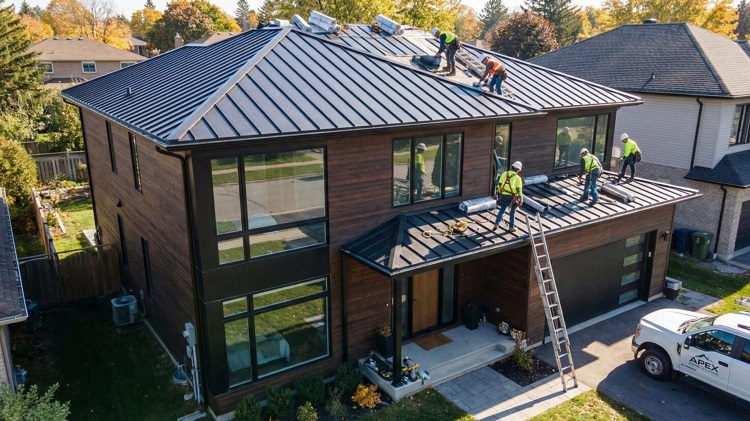
Replacing a roof is one of the most significant maintenance expenses homeowners may face. Whether you're dealing with missing shingles, persistent leaks, storm damage, or an aging roofing system, understanding the cost of a new roof in 2026 can help you plan your budget and avoid unexpected expenses.
The total price depends on several factors, including roof size, roofing material, labor rates, roof pitch, structural condition, and installation complexity. A straightforward asphalt shingle replacement may cost considerably less than a project involving premium metal roofing, slate tiles, or extensive structural repairs.
Homeowners should also consider expenses that are easy to overlook, such as removing the existing roof, replacing damaged roof decking, installing underlayment, upgrading flashing, obtaining permits, and disposing of construction debris.
This guide explains new roof replacement costs in 2026, compares popular roofing materials, outlines the installation process, and explores financing, insurance, maintenance, and practical ways to get the best long-term value from your investment.
How Much Does a New Roof Cost in 2026?
For homeowners in the United States, a complete roof replacement typically costs several thousand dollars, with the final price depending on roof size, material selection, labor, and the amount of underlying damage.
Published 2026 cost estimates from Angi put the average roof replacement cost at approximately $9,600, with many projects falling within a broad range of roughly $5,900 to $13,400. Larger homes and premium roofing materials can push the total considerably higher.
These figures are national estimates rather than guaranteed contractor quotes. Actual costs vary by state, city, roof design, material quality, and project requirements.
Roof Replacement Cost by Roof Size
Roofing contractors calculate prices using the actual roof surface area, not simply the home's interior floor area. A steep roof or a design with multiple slopes can have significantly more surface area than the building's footprint.
The following table provides illustrative U.S. budgeting estimates using a broad installed-cost range of $4 to $11 per square foot.
| Approximate Roof Area | Estimated Replacement Cost |
|---|---|
| 1,000 sq. ft. | $4,000–$11,000 |
| 1,500 sq. ft. | $6,000–$16,500 |
| 2,000 sq. ft. | $8,000–$22,000 |
| 2,500 sq. ft. | $10,000–$27,500 |
| 3,000 sq. ft. | $12,000–$33,000 |
These figures are planning estimates, not fixed market prices. The actual amount may be higher if the project requires extensive decking repairs, premium materials, specialized labor, or complicated flashing work.
A home's floor area and roof surface area are not necessarily the same. Roof pitch, overhangs, dormers, and architectural features all affect the final measurement.
New Roof Cost by Material in 2026
The roofing material you select affects the upfront cost, expected service life, maintenance requirements, appearance, and suitability for your climate.
Before choosing a material, compare its total installed cost with its expected lifespan, structural requirements, and maintenance needs.
1. Asphalt Shingles
Estimated installed cost: $4–$11 per square foot
Asphalt shingles remain a common roofing choice in the United States because they are widely available and relatively straightforward to install. They come in different colors, styles, and quality levels.
Basic three-tab shingles generally cost less than architectural shingles, which have a more dimensional appearance and may offer different performance characteristics depending on the product.
Advantages:
- Relatively affordable upfront cost.
- Available in many colors and designs.
- Widely available contractors and replacement materials.
- Individual damaged shingles can often be repaired.
Potential drawbacks:
- Service life varies with product quality, weather, ventilation, and installation.
- Severe weather can damage shingles.
- Some lower-cost products may require replacement sooner than premium alternatives.
Best for: Homeowners seeking a widely available roofing system with a relatively accessible initial price.
2. Metal Roofing
Estimated installed cost: $4–$30 per square foot
Metal roofing includes steel, aluminum, corrugated panels, and standing-seam systems. Costs depend on the metal type, panel design, protective coating, flashing details, and installation method.
Standing-seam metal roofing often costs more than basic exposed-fastener panels because of its materials and installation requirements.
Advantages:
- Many systems offer long service lives when properly installed.
- Available in different finishes and profiles.
- Some products perform well in demanding weather conditions when appropriately specified.
- Can be suitable for certain energy-conscious building designs.
Potential drawbacks:
- Initial costs can exceed those of basic asphalt shingles.
- Poor installation can cause leaks or premature deterioration.
- Repairs may require contractors familiar with the specific system.
- Performance depends on the product, roof design, and local climate.
Best for: Homeowners prioritizing durability and considering a longer-term roofing investment.
3. Clay and Concrete Tiles
Estimated installed cost: $12–$25 per square foot
Clay and concrete tiles offer a distinctive appearance and can provide a long service life when correctly installed and maintained. They are common in architectural styles that suit tile roofing.
Because tile can be substantially heavier than some alternative materials, the roof structure must be capable of supporting the load.
Advantages:
- Attractive architectural appearance.
- Durable individual roofing units.
- Potentially long service life under suitable conditions.
- Available in different profiles and colors.
Potential drawbacks:
- Higher upfront costs than many basic roofing systems.
- Additional structural assessment may be necessary.
- Individual tiles can crack under impact or improper handling.
- Installation requires appropriate expertise.
Best for: Homes with a suitable structure and a climate where tile roofing is appropriate.
4. Wood Shakes and Shingles
Estimated installed cost: $7–$15 per square foot
Wood shakes and shingles provide a natural appearance that suits certain traditional and rustic homes. Shingles are generally more uniformly cut, while shakes often have a more textured appearance.
Wood roofing requires careful attention to moisture, ventilation, maintenance, and local fire-safety requirements.
Advantages:
- Natural appearance and distinctive texture.
- Suitable for particular architectural styles.
- Can provide useful insulation characteristics as part of a properly designed roof assembly.
Potential drawbacks:
- Requires appropriate maintenance.
- Moisture can contribute to deterioration.
- Fire restrictions may limit use in some areas.
- Installation and material availability vary by region.
Best for: Homeowners who value natural materials and can meet the maintenance and safety requirements.
5. Natural Slate
Estimated installed cost: $12–$30 or more per square foot
Natural slate is a premium roofing material valued for its appearance and potential longevity. Its cost reflects the stone itself, specialized installation, and the structural requirements of a slate roof.
Advantages:
- Distinctive natural appearance.
- Potentially very long service life.
- Individual damaged pieces may be replaceable.
- Suitable for certain high-end and historic properties.
Potential drawbacks:
- High material and installation costs.
- Considerable weight.
- Requires experienced installers.
- Repairs and replacement materials may be expensive or difficult to source.
Best for: Homeowners with suitable roof structures who want a premium roofing system and are prepared for the initial investment.
Material prices vary widely, so use these ranges as preliminary budgeting guidance. Ask contractors to identify the exact product, installation method, and items included in each quote.
What Factors Affect the Cost of a New Roof?
Two homes with similar floor areas can receive very different roofing quotes. Contractors evaluate several factors before determining the final project price.
1. Roof Size and Pitch
Larger roofs require more materials and labor. Steep roofs also take longer to install and may require additional fall-protection equipment and safety procedures.
The roof's actual surface area should be measured before calculating material requirements.
2. Roof Design and Complexity
A simple gable roof is generally easier to cover than a roof with multiple valleys, dormers, skylights, chimneys, and intersecting slopes.
These features require precise cutting, flashing, and waterproofing. Poor workmanship around roof penetrations and transitions can increase the risk of leaks.
3. Removal of Existing Roofing
Removing old shingles, tiles, or metal panels adds labor, disposal, and equipment expenses.
Installing new roofing over an existing layer may be permitted in certain circumstances, but it is not always appropriate. Local rules, the condition of the existing roof, and the selected material determine whether an overlay is acceptable.
Removing the old roof can also allow the contractor to inspect the underlying structure more thoroughly.
4. Roof Decking Repairs
The roof deck supports the roofing system. If removing the existing material reveals rotted plywood, deteriorated boards, or moisture damage, repairs or replacement may be necessary.
Ask the contractor how additional decking repairs will be priced if hidden damage is discovered after work begins.
5. Labor and Regional Costs
Labor rates vary according to location, contractor experience, project accessibility, and local demand. Homes in areas with higher labor costs may have more expensive replacement projects.
Weather conditions and seasonal demand can also affect contractor availability and scheduling.
6. Underlayment and Flashing
Underlayment provides a secondary layer of moisture protection beneath the roof covering. Flashing helps direct water away from vulnerable areas such as chimneys, valleys, walls, and roof penetrations.
These components may not be as visible as shingles or metal panels, but they are essential to a properly installed roofing system.
7. Permits and Building Requirements
Some roof replacements require permits, inspections, or upgrades to meet applicable local building requirements.
Requirements vary by jurisdiction and project scope. Confirm which permits are necessary and who will obtain them before work begins.
New Roof Cost Breakdown
A complete replacement involves more than buying roofing materials. An itemized estimate helps you understand how the contractor arrived at the quoted price.
| Cost Component | What It Covers |
|---|---|
| Roofing materials | Shingles, metal panels, tiles, or slate |
| Labor | Removal, preparation, and installation |
| Tear-off and disposal | Removing and disposing of old roofing |
| Underlayment | Secondary moisture protection |
| Flashing | Waterproofing around joints and roof penetrations |
| Roof decking repairs | Replacing damaged structural sheathing |
| Ventilation | Appropriate ridge vents, soffit vents, or other components |
| Permits and inspections | Applicable local fees and required inspections |
| Gutters and accessories | Replacement or modifications when included |
| Cleanup | Removing construction debris and nails from the work area |
Not every project requires every item. Ask for separate prices for optional upgrades and potential additional work.
A detailed estimate should state whether the quoted price includes taxes, material delivery, disposal, permits, cleanup, and repairs to the underlying deck.
How to Calculate Your Roof Replacement Cost
A basic calculation can help you determine whether a contractor's quote falls within your preliminary budget.
The simplest formula is:
Estimated roof cost = Roof surface area × Installed cost per square foot
For example, a roof measuring 2,000 square feet with an assumed installed rate of $6 per square foot would have a preliminary estimated cost of $12,000
This is an illustration rather than a current market quote. The rate must reflect the specific roofing material and the work included in the contract.
Before comparing the estimate with another contractor's offer, confirm whether it includes:
- Removal of the existing roof.
- New underlayment and flashing.
- Labor and material delivery.
- Disposal and cleanup.
- Permits and inspections.
- Allowances for replacing damaged decking.
Understanding the Roofing Square
Roofing contractors commonly use a measurement called a roofing square. One roofing square covers 100 square feet of roof surface.
A roof measuring 2,000 square feet therefore contains 20 roofing squares before accounting for material waste and cutting requirements.
The contractor should calculate material quantities based on the actual roof measurements, design complexity, and the manufacturer's installation instructions.
Roof Replacement vs. Roof Repair: Which Is Better?
Replacing an entire roof is not always the most economical decision. A targeted repair may be sufficient when the damage is limited and the rest of the roofing system remains in good condition.
| Consideration | Roof Repair | Full Replacement |
|---|---|---|
| Initial expense | Usually lower | Usually higher |
| Best suited to | Localized damage | Widespread deterioration |
| Project duration | Often shorter | Usually longer |
| Existing roof covering | Mostly retained | Replaced |
| Long-term planning | Depends on remaining roof condition | Starts a new roofing system's service life |
Consider a professional inspection if you notice recurring leaks, missing shingles, damaged flashing, sagging sections, or water stains inside the home.
A repair may be appropriate for isolated damage. Widespread material deterioration, recurring leaks, or extensive decking damage may make replacement more practical.
The age of the roof alone does not determine whether replacement is necessary. The material, installation quality, weather exposure, and current condition all matter.
How to Save Money on a New Roof in 2026
Roof replacement can be expensive, but careful planning can help control the total cost without sacrificing workmanship.
Get Multiple Written Estimates
Obtain at least three detailed quotes when practical. Compare the same material type, removal method, underlayment, flashing, ventilation, warranty coverage, and cleanup requirements.
The lowest bid is not necessarily the best value if it excludes essential work or uses materials that do not meet your needs.
Choose Materials for Your Climate
Consider local wind exposure, rainfall, snow, humidity, temperature changes, and fire risk where relevant.
A roofing material that performs well in one region may be unsuitable for another. Ask contractors to explain why their recommended system is appropriate for your location.
Avoid Unnecessary Upgrades
Premium finishes, elaborate roof designs, and optional accessories can increase costs. Ask which upgrades improve durability or performance and which are primarily aesthetic.
Do not remove essential waterproofing, ventilation, or safety components simply to reduce the initial quote.
Address Small Problems Early
Routine inspections and timely repairs can help prevent water intrusion from damaging roof decking, insulation, ceilings, and interior finishes.
Early intervention is often less disruptive than dealing with extensive water damage after a prolonged leak.
Ask About Off-Season Scheduling
Contractor availability and pricing may vary throughout the year. Ask local roofers whether flexible scheduling offers any savings.
However, do not delay urgent repairs simply to wait for a discount, especially when water is entering the property.
Roof Replacement Financing Options
If you cannot pay for the entire project upfront, several financing options may be available.
| Financing Option | Potential Advantage | Important Consideration |
|---|---|---|
| Contractor financing | Convenient application through the roofing company | Compare APR, fees, and promotional terms |
| Personal loan | May offer fixed payments | Approval and rates depend on the lender |
| Home equity loan | May offer a fixed repayment schedule | Your home secures the debt |
| Home equity line of credit (HELOC) | Flexible access to available equity | Rates may vary, and borrowing increases secured debt |
| Cash savings | Avoids borrowing costs | Preserve sufficient emergency savings |
Before financing a roof, calculate the total repayment amount rather than focusing only on the monthly payment.
Review the annual percentage rate (APR), repayment period, origination fees, late-payment charges, and any promotional interest conditions. If an offer advertises zero interest for a limited period, determine whether interest is deferred and could be charged retroactively if the balance is not paid on time.
Homeowners should also investigate whether local energy-efficiency programs, utility incentives, or other assistance programs apply to their specific improvement. Eligibility and availability vary.
Does Homeowners Insurance Cover a New Roof?
Homeowners insurance may cover roof damage caused by a covered event, such as certain wind or hail damage, depending on the policy and circumstances.
However, ordinary wear and tear, deterioration, or a roof reaching the end of its useful life is generally not covered as a sudden insured loss.
Before starting an insurance-funded replacement:
- Review your policy's coverage, exclusions, and deductible.
- Photograph visible damage when it is safe to do so.
- Contact your insurance company promptly.
- Arrange an inspection with a qualified roofing contractor.
- Keep estimates, receipts, inspection reports, and claim correspondence.
Do not assume an insurance company will pay for an entire new roof simply because damage is present. Coverage depends on the policy, cause of damage, exclusions, applicable settlement provisions, and claim assessment.
Be cautious of contractors who promise that insurance will cover every expense before the insurer has evaluated the claim.
The Roof Installation Process
Understanding the installation process helps homeowners prepare for disruption and monitor project quality.
Step 1: Inspection and Measurement
The contractor evaluates the existing roof, measures its surface, and identifies visible damage. The inspection may include attic ventilation, roof penetrations, flashing, and signs of moisture intrusion.
Step 2: Written Estimate and Planning
Material selections, project scope, permits, payment arrangements, and scheduling are confirmed.
The contract should explain how the contractor will handle hidden damage or unexpected repairs.
Step 3: Removal of Existing Roofing
Where required, the old roofing is removed so the underlying deck can be inspected.
The contractor should protect landscaping and property features as much as practical and establish a plan for debris disposal.
Step 4: Deck and Moisture Protection
Damaged decking is repaired or replaced. The specified underlayment and flashing are then installed according to the selected roofing system's requirements.
Step 5: New Roof Installation
Shingles, panels, tiles, or other materials are installed according to applicable manufacturer instructions and local requirements.
Proper fastening, alignment, flashing, and detailing are essential to the finished system's performance.
Step 6: Ventilation and Finishing
Required roof vents, edge details, penetrations, and other finishing components are completed. Appropriate attic ventilation can help manage moisture and heat when designed for the building.
Step 7: Cleanup and Final Inspection
Construction debris is removed, the completed work is inspected, and warranty and payment documentation are provided.
The project may take longer if the roof is unusually large, weather conditions are poor, or hidden damage requires additional work.
How to Choose a Reliable Roofing Contractor
The contractor's workmanship is as important as the roofing material itself.
Before signing a contract, check the following:
- Appropriate licensing or registration where required.
- Current liability insurance and workers' compensation coverage where applicable.
- A detailed written estimate.
- References and independently verifiable customer reviews.
- Experience with your selected roofing material.
- Clear workmanship warranty terms.
- Manufacturer warranty documentation.
- A defined payment schedule.
- Procedures for handling unexpected structural repairs.
- Responsibility for permits, debris removal, and final cleanup.
Ask whether the contractor will use a written change order if the project scope or price changes.
Understand the difference between a manufacturer's product warranty and a contractor's workmanship warranty. One generally addresses specified product defects, while the other concerns installation workmanship under the terms of the agreement.
A longer warranty does not automatically mean a better roofing system. Read the exclusions, maintenance conditions, transfer provisions, and claim procedures.
Roof Maintenance Checklist
Regular maintenance can help identify minor problems before they become expensive repairs. Follow the roofing manufacturer's maintenance recommendations and arrange professional inspections when appropriate.
Homeowner Maintenance Checklist
- Inspect ceilings and attic spaces for water stains or moisture.
- Look for missing, cracked, loose, or displaced roofing materials from the ground.
- Check gutters and downspouts for blockages.
- Inspect accessible flashing and roof penetrations for visible deterioration.
- Keep nearby tree branches from rubbing against the roof.
- Check attic ventilation and signs of condensation.
- Arrange a professional assessment after significant storm damage.
- Keep installation records, warranties, and repair receipts.
Avoid climbing onto a roof unless you have appropriate training and safety equipment. A qualified professional can inspect steep or otherwise difficult-to-access areas.
Frequently Asked Questions
How much does a new roof cost in 2026?
In the United States, published 2026 cost estimates place the average roof replacement at approximately $9,600, with many projects costing roughly $5,900–$13,400. Larger roofs, premium materials, and structural repairs can increase the total.
These figures are estimates rather than guaranteed prices. Obtain local written quotes for an accurate project budget.
What is the cheapest roofing material?
Basic asphalt shingles are often among the least expensive common roofing options in the United States. However, the final cost depends on installation, roof complexity, local labor rates, and removal of existing materials.
Compare the expected service life and maintenance requirements rather than choosing solely on the lowest upfront price.
How much does a new roof cost for a 2,000-square-foot house?
The answer depends on the actual roof surface area and the selected material. A preliminary estimate using an illustrative rate of $4–$11 per square foot would be $8,000–$22,000 if the roof itself measures 2,000 square feet.
A 2,000-square-foot home does not necessarily have a roof of the same area. Roof pitch, overhangs, and architectural features can increase the surface area.
Is a metal roof worth the extra cost?
A metal roof may be worthwhile for homeowners who value durability and expect to remain in the property for many years. Compare the full installed price, expected service life, maintenance requirements, weather exposure, and warranty terms before deciding.
The best choice depends on the specific metal roofing system and the property's needs.
How long does a new roof last?
Service life varies by material, climate, installation quality, ventilation, and maintenance. Asphalt shingles generally have a shorter service life than many properly installed metal, tile, or slate systems.
The manufacturer's documentation and the conditions at your property are the best starting points for evaluating expected longevity.
Does a new roof increase home value?
A new roof may improve a home's condition, appearance, marketability, and buyer confidence. However, an increase in resale value is not guaranteed and depends on the local housing market, project cost, and the roof's condition before replacement.
A replacement may be particularly valuable when the existing roof is deteriorated or likely to concern prospective buyers.
Can I replace my roof without removing the old one?
Sometimes, depending on the existing roofing system, local building requirements, roof condition, and the manufacturer's instructions.
An overlay may conceal existing damage, add weight, and complicate future repairs. Have a qualified contractor assess whether it is appropriate for your property.
When should I replace my roof instead of repairing it?
Replacement may be more appropriate when deterioration is widespread, leaks keep recurring, the roof covering has reached the end of its useful life, or underlying damage is extensive.
An inspection can help determine whether a targeted repair is still practical and whether replacement offers better long-term value.
Conclusion
The cost of a new roof in 2026 depends on much more than the price of shingles or metal panels. Roof size, labor, removal, structural repairs, flashing, ventilation, and local requirements all contribute to the final bill.
For U.S. homeowners, published cost guides provide a useful starting point, but a detailed inspection and itemized quote are the most reliable ways to establish a project budget. Compare several contractors, choose materials appropriate for your climate, understand warranty and insurance conditions, and consider financing carefully if upfront costs are a concern.
A well-planned roof replacement can protect your property, reduce the risk of water damage, and provide dependable performance for years to come. The best investment is not necessarily the cheapest roof, but the one that balances upfront cost, installation quality, durability, and the needs of your home.

