
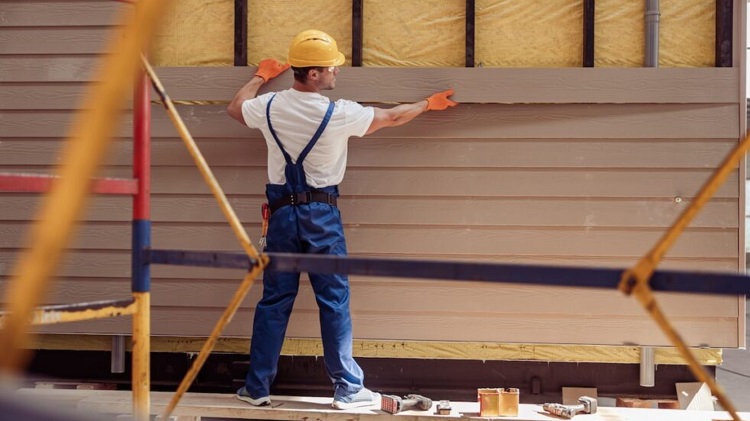
Replacing the siding on your home can improve its appearance, protect the exterior walls from moisture, and help maintain the property's long-term value. However, siding replacement is a significant home improvement project, and the total cost can vary considerably depending on the material, house size, labor rates, and condition of the existing exterior.
For homeowners planning a renovation in 2026, understanding siding replacement costs is essential before requesting contractor estimates. Vinyl siding is often one of the more affordable options, while fiber cement, engineered wood, and premium natural wood siding may require a larger investment. Additional expenses can arise when contractors discover damaged sheathing, deteriorated house wrap, or moisture problems beneath the old siding.
The best siding choice is not necessarily the cheapest material available. Homeowners should also consider durability, maintenance, climate suitability, installation quality, warranty coverage, and long-term ownership costs.
This guide explains how much siding replacement costs in 2026, compares popular siding materials, breaks down installation expenses, and explores financing, maintenance, insurance, and practical ways to save money on your exterior renovation.
How Much Does Siding Replacement Cost in 2026?
In the United States, siding replacement costs depend on the home's exterior wall area, selected material, labor rates, and the amount of preparation required.
For preliminary budgeting, a broad installed-cost range for many residential siding projects is approximately $4 to $15 per square foot. Premium materials, complex architectural details, extensive tear-off work, and structural repairs can push the total higher.
The actual price depends on whether the project involves replacing the existing siding, installing new siding over an approved existing surface, or repairing and preparing the underlying walls.
Average Siding Replacement Cost by House Size
The following estimates illustrate how siding costs may change with exterior wall area. They use an assumed installed rate of $4 to $15 per square foot and are intended for preliminary budgeting rather than as verified national averages.
| Approximate Exterior Wall Area | Estimated Installed Cost |
|---|---|
| 1,000 sq. ft. | $4,000–$15,000 |
| 1,500 sq. ft. | $6,000–$22,500 |
| 2,000 sq. ft. | $8,000–$30,000 |
| 2,500 sq. ft. | $10,000–$37,500 |
| 3,000 sq. ft. | $12,000–$45,000 |
These estimates assume that the stated area is the siding surface itself, not the home's interior floor area. Windows, doors, gables, multiple stories, and architectural features can affect measurements and installation costs.
A contractor's quote may also include removal and disposal of old siding, house wrap, trim, flashing, and other accessories. Confirm what is included before comparing estimates.
Siding Replacement Cost by Material in 2026
The material you choose has a major impact on the total project price, maintenance requirements, and expected service life.
The following ranges are broad U.S. planning estimates for installed siding. Actual prices vary by product quality, region, labor, surface preparation, and project complexity.
1. Vinyl Siding
Estimated installed cost: $4–$8 per square foot
Vinyl siding is a popular exterior cladding option because it is widely available, relatively affordable, and generally requires limited routine maintenance.
It comes in different colors, profiles, and textures, including products designed to resemble wood siding.
Advantages:
- Relatively low initial installation cost.
- Does not require routine painting.
- Available in many colors and styles.
- Individual panels can often be replaced.
- Generally requires limited maintenance.
Potential drawbacks:
- Can crack or become damaged by impacts.
- May warp under excessive heat or improper installation.
- Color and appearance may change with prolonged weather exposure.
- Water can penetrate behind poorly installed siding or around unprotected openings.
Best for: Homeowners seeking a cost-conscious exterior upgrade with relatively low maintenance requirements.
2. Fiber Cement Siding
Estimated installed cost: $6–$15 per square foot
Fiber cement siding is manufactured using cementitious materials and reinforcing components. It is available in lap siding, panels, shingles, and other profiles.
It can provide the appearance of painted wood while offering different durability and maintenance characteristics.
Advantages:
- Available in multiple styles and textures.
- Resistant to many common forms of insect damage.
- Does not have the same rot characteristics as untreated wood.
- Can provide a durable exterior when properly installed and maintained.
- Suitable for many architectural styles.
Potential drawbacks:
- Generally costs more than basic vinyl siding.
- Heavier material may require additional handling.
- Cutting and installation require appropriate tools and safety procedures.
- Painted products may require periodic repainting.
Best for: Homeowners who want a substantial exterior upgrade and are comfortable with a higher initial investment.
3. Engineered Wood Siding
Estimated installed cost: $5–$12 per square foot
Engineered wood siding is manufactured from wood-based materials and binders, with product-specific treatments and finishes intended for exterior use.
It can provide the appearance of traditional wood siding with different installation and maintenance requirements.
Advantages:
- Offers a wood-like appearance.
- Available in various profiles and finishes.
- Often lighter than some alternative cladding materials.
- May be more affordable than premium natural wood siding.
Potential drawbacks:
- Performance depends on the specific product and installation.
- Damaged coatings or exposed edges can allow moisture-related deterioration.
- Maintenance requirements vary by finish.
- Improper clearances and flashing can contribute to premature failure.
Best for: Homeowners seeking a traditional exterior appearance with a manufactured siding product.
4. Natural Wood Siding
Estimated installed cost: $6–$15 or more per square foot
Natural wood siding includes cedar and other suitable wood species used in lap siding, shingles, shakes, and board-and-batten designs.
Its natural texture and appearance can be appealing, particularly for traditional and rustic homes.
Advantages:
- Distinctive natural appearance.
- Can be repaired or refinished in many situations.
- Available in different species and profiles.
- Suitable for a wide range of architectural designs.
Potential drawbacks:
- Requires maintenance to protect against moisture and weather exposure.
- May need periodic painting or staining.
- Susceptible to deterioration if moisture problems are not addressed.
- Insects and fire exposure may be concerns depending on the location and product.
Best for: Homeowners who value natural materials and can maintain the exterior properly.
5. Aluminum Siding
Estimated installed cost: $5–$10 per square foot
Aluminum siding is a metal cladding option that has been used on residential properties for decades. It may be selected for replacement projects where a lightweight metal exterior is desirable.
Advantages:
- Does not rust in the same way as iron-based metals, although coatings and other components can deteriorate.
- Relatively lightweight.
- Available in various finishes.
- Does not support wood rot.
Potential drawbacks:
- Can dent from impacts.
- Paint may fade, chalk, or require refinishing.
- Replacement panels may be difficult to match on older homes.
- Installation quality affects water management and long-term performance.
Best for: Homeowners seeking metal siding with relatively low weight and appropriate corrosion resistance.
6. Brick and Stone Veneer
Estimated installed cost: $10–$30 or more per square foot
Brick and stone veneer can provide a premium exterior appearance. These systems vary in weight, installation requirements, drainage details, and structural considerations.
Manufactured stone veneer may have different costs and installation requirements from natural stone.
Advantages:
- Distinctive, high-end appearance.
- Durable when correctly installed.
- Available in a range of colors and textures.
- Can complement traditional and contemporary architecture.
Potential drawbacks:
- Higher upfront cost than many siding alternatives.
- Installation can require specialized expertise.
- Flashing and drainage details are critical.
- Some systems may require structural evaluation or specific support details.
Best for: Homeowners prioritizing a premium exterior finish and prepared for the additional investment.
Siding Material Cost Comparison
| Material | Illustrative Installed Cost per Sq. Ft. | Maintenance Considerations |
|---|---|---|
| Vinyl | $4–$8 | Cleaning and occasional panel repairs |
| Fiber cement | $6–$15 | Cleaning, finish inspections, and repainting when required |
| Engineered wood | $5–$12 | Finish and moisture-protection maintenance |
| Natural wood | $6–$15+ | Periodic painting or staining and moisture inspections |
| Aluminum | $5–$10 | Cleaning, coating inspections, and possible refinishing |
| Brick or stone veneer | $10–$30+ | Mortar, joint, flashing, and moisture inspections as applicable |
These are indicative planning ranges rather than fixed market prices. They should not be treated as directly comparable without confirming the scope of installation, trim, removal, and wall preparation.
What Factors Affect Siding Replacement Costs?
Two houses with similar exterior dimensions can receive substantially different estimates. Several factors influence the final price.
1. Exterior Wall Area
Larger homes require more siding material and installation labor.
The amount of siding needed is generally based on exterior wall measurements, including gables and other areas that must be covered. Contractors may subtract openings such as windows and doors when calculating net material quantities, although cutting waste and trim requirements still affect the final order.
2. Number of Stories
Two-story and three-story homes can cost more to side than single-story homes because workers may need additional scaffolding, lifts, fall protection, and setup time.
Access limitations can also affect the cost of delivering materials and removing old siding.
3. Existing Siding Removal
Removing existing siding can increase the labor and disposal costs of a project.
Tear-off work also allows contractors to inspect the underlying wall assembly. Depending on the building and project scope, removal may reveal damaged sheathing, deteriorated house wrap, or moisture intrusion that needs to be addressed.
Ask whether the estimate includes removing all existing siding or only selected sections.
4. Wall Sheathing and Moisture Damage
The material behind the siding plays an important role in protecting the home's structure.
If contractors discover rotted sheathing, damaged framing, mold associated with moisture intrusion, or deteriorated weather-resistant barriers, additional work may be required.
These repairs should be evaluated before the new siding is installed. Covering an unresolved moisture problem can lead to more expensive damage later.
5. Trim, Corners, and Window Openings
Siding installation involves more than covering large, flat wall surfaces.
Additional materials and labor may be required for:
- Exterior corner posts.
- Window and door trim.
- Soffits and fascia.
- Gable details.
- Utility penetrations.
- Wall transitions.
- Flashing around openings.
- Decorative architectural features.
Homes with elaborate exterior designs may require more precise cutting and finishing.
6. House Wrap and Flashing
House wrap or another appropriate weather-resistant barrier helps manage water and air movement through the exterior wall assembly, depending on the system.
Flashing helps direct water away from vulnerable openings and transitions.
The correct installation details depend on the siding system, building design, climate, and applicable requirements. These components should not be omitted simply to reduce the initial project price.
7. Local Labor Rates and Permits
Labor rates vary by location, contractor experience, material availability, and demand.
Permits may be required for certain siding replacements or related structural work. Check local requirements and confirm who is responsible for permit applications and inspections.
Siding Replacement Cost Breakdown
An itemized estimate helps homeowners understand what they are paying for.
| Cost Component | What It Covers |
|---|---|
| Siding materials | Vinyl, fiber cement, wood, metal, or veneer |
| Labor | Installation and finishing |
| Existing siding removal | Tear-off when required |
| Disposal | Hauling and disposing of removed materials |
| House wrap | Weather-resistant barrier when specified |
| Flashing | Water management around openings and transitions |
| Trim and accessories | Corners, window trim, soffits, and related components |
| Sheathing repairs | Replacing damaged wall panels |
| Painting or finishing | Applicable coating or finish work |
| Permits and inspections | Required local approvals |
| Cleanup | Removing debris and protecting the property |
Not every project requires all these items. A good estimate should clearly identify included work, exclusions, allowances, and additional charges that may arise if hidden damage is discovered.
How to Calculate Your Siding Replacement Cost
A simple calculation can help you establish a preliminary budget.
Estimated siding cost = Exterior siding area × Installed cost per square foot
For example, assume your home has 2,000 square feet of siding surface and a contractor quotes an illustrative installed rate of $8 per square foot.
The preliminary calculation would be:
2,000 × $8 = $16,000.
This is an example, not a verified market quote. The actual amount depends on the material, removal requirements, trim, wall preparation, labor, and other project expenses.
Understanding Net and Gross Wall Area
Contractors may measure gross exterior wall area and then account for windows, doors, and other openings to estimate net siding coverage.
However, openings can require additional flashing, trim, and cutting labor. A large window does not necessarily reduce the total project price by the full amount of siding it replaces.
Ask the contractor how the measurements were calculated and how much additional material is included for cutting waste.
Is It Cheaper to Replace All Siding or Repair Damaged Sections?
Full siding replacement is not always necessary. Localized repairs can be more economical when the damage is limited and matching materials are available.
When Siding Repair May Be Enough
A repair may be appropriate when:
- Damage is confined to a small area.
- Most of the siding remains in good condition.
- The underlying wall is dry and structurally sound.
- Matching replacement materials are available.
- The problem can be corrected without replacing the entire exterior.
When Full Replacement May Be Better
A complete replacement may be more practical when:
- Deterioration affects large sections of the home.
- Moisture damage exists behind the siding.
- The material has reached the end of its useful service life.
- Repairs are becoming frequent or difficult.
- The homeowner wants to change the exterior material or appearance.
- The existing installation has widespread water-management problems.
A professional inspection can help determine whether the problem involves the siding itself, the weather-resistant barrier, flashing, or the underlying wall structure.
How to Save Money on Siding Replacement in 2026
A carefully planned project can reduce costs without compromising weather protection or installation quality.
Get Multiple Written Estimates
Request at least three detailed estimates when practical. Compare the same material type, thickness or product specification, removal scope, house wrap, flashing, trim, cleanup, and warranty coverage.
A lower quote may exclude important work that another contractor has included.
Choose a Material That Fits Your Budget
Vinyl siding is often an economical option for homeowners prioritizing lower upfront costs. Fiber cement, engineered wood, and other materials may offer different aesthetic or durability benefits.
Compare total ownership costs instead of focusing only on the initial installation price.
Keep the Existing Layout Where Practical
Changing window sizes, adding decorative features, or modifying wall openings can increase labor and material costs.
If the existing exterior design works well, retaining it may help control the renovation budget.
Address Moisture Problems Before Installation
Repairing leaks, damaged flashing, and deteriorated sheathing before installing new siding can help prevent more expensive future repairs.
Do not cover known moisture damage simply to finish the project faster.
Schedule Work Strategically
Contractor availability and pricing may vary throughout the year. Ask whether flexible scheduling can reduce costs in your area.
However, do not postpone necessary repairs if water is entering the wall assembly or structural damage is suspected.
Avoid Unnecessary Upgrades
Premium trim, decorative profiles, and elaborate finishes may increase the overall cost.
Ask which upgrades provide meaningful functional benefits and which are primarily aesthetic. Essential flashing, appropriate moisture protection, and correct installation should remain priorities.
Siding Replacement Financing Options
If you cannot pay for the entire project upfront, several financing options may be available.
| Financing Option | Potential Advantage | Important Consideration |
|---|---|---|
| Contractor financing | Convenient application through the siding company | Compare APR, fees, and promotional conditions |
| Personal loan | May offer predictable payments | Approval and rates depend on the lender |
| Home equity loan | May provide a fixed repayment schedule | Your home secures the debt |
| Home equity line of credit (HELOC) | Flexible access to available equity | Rates may vary and borrowing increases secured debt |
| Cash savings | Avoids borrowing costs | Preserve adequate emergency savings |
Before accepting a financing offer, compare the annual percentage rate, total repayment amount, loan term, fees, and late-payment penalties.
Promotional financing may have conditions that make it more expensive if the balance is not paid within a specified period. Read the contract carefully and confirm whether the interest rate is fixed or variable.
The appropriate option depends on the homeowner's financial circumstances, project urgency, and repayment ability.
Does Homeowners Insurance Cover Siding Replacement?
Homeowners insurance may cover siding damage caused by certain covered events, such as wind, hail, or other insured perils, depending on the policy and circumstances.
However, ordinary wear and tear, fading, aging, and deterioration are generally not covered as sudden insured losses.
Before beginning an insurance-funded replacement:
- Review the policy's coverage, exclusions, and deductible.
- Photograph visible damage when it is safe to do so.
- Contact the insurance company promptly.
- Arrange an inspection with a qualified contractor.
- Keep estimates, receipts, inspection reports, and claim correspondence.
Coverage may depend on the cause of damage, policy language, settlement provisions, and the insurer's claim assessment.
Do not assume that damage to one section of siding automatically qualifies the entire exterior for replacement. Ask the insurer how matching materials, repair scope, and applicable policy provisions will be handled.
The Siding Replacement Process
Understanding the installation process helps homeowners prepare for disruption and monitor project quality.
Step 1: Inspection and Measurement
The contractor examines the existing siding, measures the exterior walls, and identifies visible damage.
The inspection may include window openings, trim, flashing, drainage details, and signs of moisture intrusion.
Step 2: Material Selection and Written Estimate
The homeowner selects the siding material, color, profile, and accessories.
The contractor prepares an estimate that identifies the installation scope, removal requirements, potential repairs, payment schedule, and warranty terms.
Step 3: Removal of Existing Siding
When required, the old siding is removed. The contractor protects nearby landscaping, windows, doors, and other property features as practical.
Step 4: Inspection of the Wall Assembly
The exposed wall is inspected for damaged sheathing, moisture intrusion, deteriorated weather-resistant barriers, and other problems.
Necessary repairs should be completed before the new siding covers the wall.
Step 5: Installation of Weather Protection
The contractor installs or repairs the specified weather-resistant barrier, flashing, and other moisture-management components.
The details depend on the siding product, wall design, and applicable installation requirements.
Step 6: New Siding Installation
The selected siding is installed according to the manufacturer's instructions. Proper clearances, fastening, panel alignment, and detailing help support long-term performance.
Different materials require different installation methods, so experience with the selected product is important.
Step 7: Trim, Finishing, and Cleanup
The contractor completes corners, window and door trim, transitions, and other details.
The finished work is inspected, debris is removed, and the homeowner receives applicable warranty documents and project records.
The project duration depends on the size of the house, weather conditions, material availability, and the amount of repair work required.
How to Choose a Reliable Siding Contractor
The quality of installation has a direct impact on the appearance, moisture protection, and service life of your new siding.
Before signing a contract, check the following:
- Appropriate licensing or registration where required.
- Current liability insurance and workers' compensation coverage where applicable.
- Experience installing your chosen siding material.
- A detailed written estimate.
- References and independently verifiable customer reviews.
- Clear product and workmanship warranty terms.
- A defined payment schedule.
- Procedures for handling hidden moisture damage.
- Responsibility for permits, disposal, and cleanup.
- Compliance with manufacturer installation instructions.
Ask whether changes to the project scope or price will require a written change order.
Be cautious of contractors who recommend covering visibly damaged walls without investigating the underlying cause. Proper siding installation requires attention to drainage, flashing, and moisture management—not just the exterior finish.
Siding Maintenance Checklist
Routine maintenance can help preserve your siding's appearance and identify problems before they cause significant damage.
Homeowner Maintenance Checklist
- Inspect exterior walls for cracks, loose panels, or visible damage.
- Check window and door trim for deteriorated sealants or flashing.
- Look for signs of water intrusion around openings.
- Clean siding according to the manufacturer's recommendations.
- Keep gutters and downspouts clear.
- Trim vegetation that rubs against the exterior walls.
- Inspect painted wood and fiber cement finishes for peeling or deterioration.
- Check for insect activity where relevant.
- Arrange a professional inspection if moisture damage or wall deterioration is suspected.
- Keep installation records, warranties, and repair receipts.
Avoid using excessive pressure when washing siding, as high-pressure water can damage finishes or force moisture behind certain systems. Follow the product manufacturer's cleaning instructions.
Does New Siding Increase Home Value?
New siding can improve a property's curb appeal, exterior condition, and marketability. However, the increase in resale value is not guaranteed.
The financial benefit depends on local buyer preferences, the condition of the existing siding, material selection, installation quality, and the overall housing market.
A well-maintained exterior may help buyers feel more confident about the property's condition. However, homeowners should not assume that every dollar spent on siding replacement will be recovered when selling the house.
If resale is your main objective, compare the proposed renovation cost with the expectations of buyers in your local market. A durable, attractive, appropriately priced siding system may provide a more practical return than an expensive upgrade that exceeds neighborhood expectations.
Common Mistakes to Avoid When Replacing Siding
Choosing the Cheapest Quote Without Comparing the Scope
Two estimates may look similar while covering different materials, labor, and preparation work.
Compare itemized costs and confirm that each contractor includes the same essential components.
Ignoring Hidden Moisture Damage
New siding cannot correct rotted sheathing, failed flashing, or ongoing water intrusion by itself.
Resolve underlying moisture problems before closing the wall assembly.
Selecting Materials Without Considering Climate
Heat, humidity, rainfall, wind, and temperature changes affect exterior materials differently.
Choose a product designed for the property's climate and follow the manufacturer's installation requirements.
Overlooking Warranty Exclusions
A product warranty may exclude certain installation defects, maintenance failures, or environmental conditions.
Read the actual warranty documents and understand who is responsible for installation workmanship.
Assuming Siding Automatically Improves Insulation
Siding is primarily an exterior cladding system. Its effect on energy performance depends on the complete wall assembly, including insulation, air sealing, weather barriers, and installation details.
If energy efficiency is a priority, assess those components separately rather than assuming new siding alone will substantially reduce utility bills.
Frequently Asked Questions
How much does siding replacement cost in 2026?
Siding replacement can cost several thousand dollars, depending on exterior wall area, material, labor, and preparation requirements. For preliminary budgeting, a broad range of $4–$15 per square foot covers many common residential siding projects, although premium materials and complex installations can cost more.
Obtain local itemized estimates for a reliable project budget.
What is the cheapest siding material?
Vinyl siding is often among the least expensive common residential siding options in the United States. However, the final price depends on product quality, labor, wall preparation, and whether old siding must be removed.
Is fiber cement siding worth the extra cost?
Fiber cement may be worth considering if you value its appearance, durability characteristics, and resistance to many forms of insect damage. Its higher initial cost, weight, installation requirements, and finish maintenance should be considered before making a decision.
How long does siding last?
Service life varies by material, product quality, installation, climate, maintenance, and moisture exposure. Vinyl, fiber cement, engineered wood, natural wood, and metal siding all have different performance characteristics.
Follow the manufacturer's documentation and inspect the exterior regularly rather than relying on a single lifespan estimate.
Can new siding be installed over old siding?
Some siding systems allow installation over certain existing surfaces, but this is not suitable for every building. The existing wall must be evaluated for moisture damage, structural condition, surface flatness, and manufacturer requirements.
Installing over damaged siding can conceal problems and complicate future repairs.
Does homeowners insurance pay for siding replacement?
Insurance may cover siding damage caused by a covered event, depending on the policy. Normal aging, fading, and deterioration are generally not covered as sudden insured losses.
Contact your insurer and review the policy before authorizing insurance-funded work.
Does replacing siding lower energy bills?
New siding alone does not guarantee lower utility bills. Energy performance depends on insulation, air leakage, weather barriers, windows, and the overall wall assembly.
A siding project may provide an opportunity to address other exterior improvements, but any projected energy savings should be based on the specific building and proposed work.
Is it better to repair or replace siding?
Repair is often appropriate when damage is localized and matching materials are available. Full replacement may be more practical when deterioration is widespread, moisture problems affect the underlying wall, or repairs are becoming frequent.
A professional inspection can help determine the most economical solution.
Conclusion
The cost of siding replacement in 2026 depends on the home's exterior wall area, selected material, labor, removal requirements, and the condition of the underlying wall assembly.
Vinyl siding is often a cost-conscious option, while fiber cement, engineered wood, natural wood, metal, and masonry veneer offer different combinations of appearance, durability, maintenance, and upfront expense.
Before starting a project, obtain multiple written estimates, compare the full scope of work, investigate any moisture damage, and choose a qualified contractor familiar with your selected material. Review financing options carefully if you need to spread the expense over time.
A successful siding replacement should do more than improve the home's appearance. It should provide appropriate weather protection, address underlying exterior problems, and offer a balance of installation cost, maintenance requirements, and long-term value.

